Follow a course · Beginner
Confident Home Cook
A practical path from “where do I start?” to a dinner you can plan, cook and feel good about.
Build the habits first. Learn what to notice. Put each technique into a real meal.
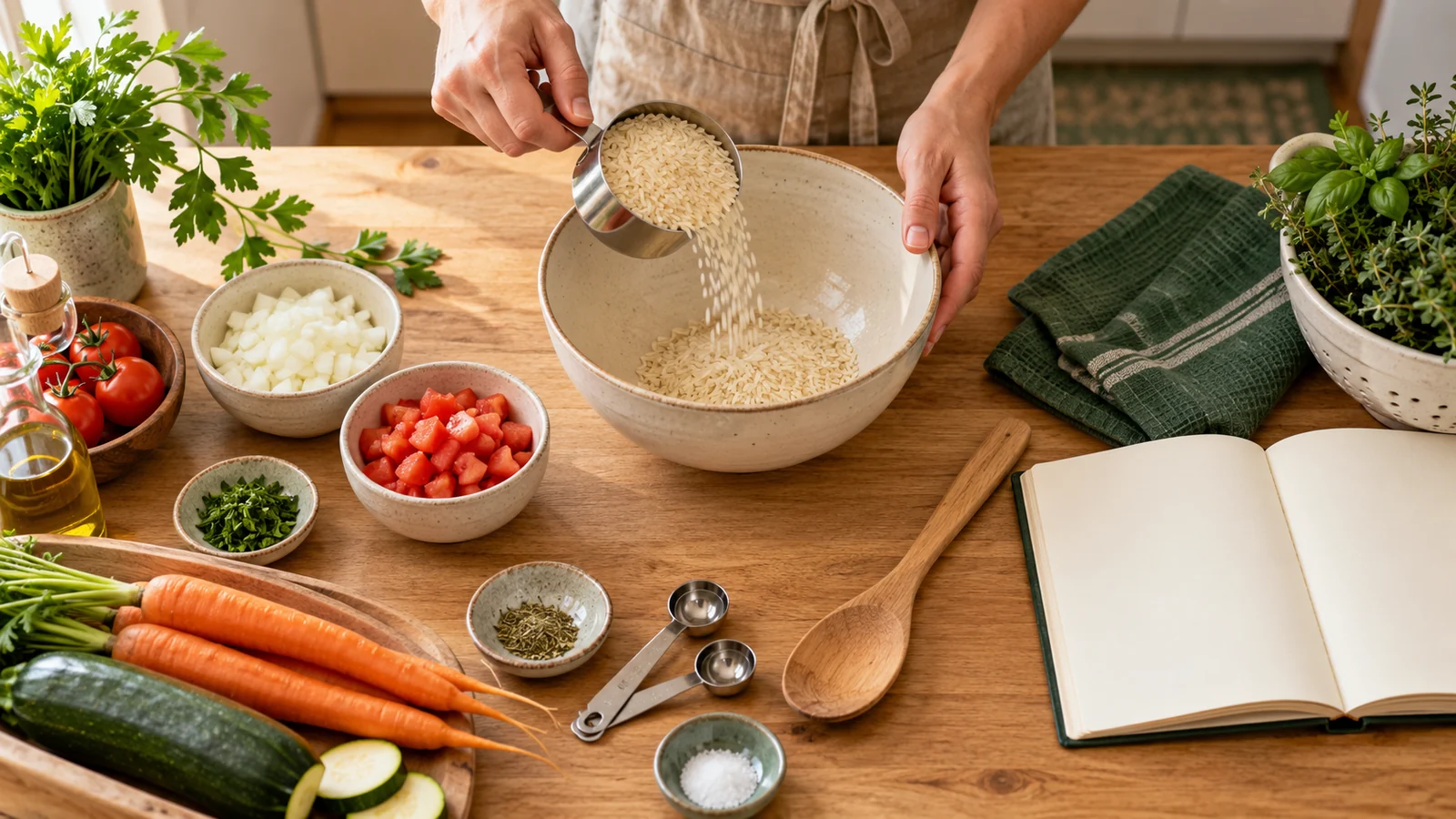
Complete beginner course · 18 lessons to explore at your own pace.
Each of the 18 lessons includes instruction, a practical activity and a three-question self-check. This is self-guided practice, not professional certification.
Is this for you?
For the everyday home cook
Start here if you are new to cooking, feel unsure without a recipe, or want a more reliable routine for everyday meals. You do not need previous course experience or a kitchen full of equipment.
Work through the sequence, or revisit a technique when you need it. Practice at your own pace; this is self-guided learning, not professional certification.
What you will work toward
A calmer, more capable cook
- Prepare ingredients and organize your work safely.
- Read heat, texture and flavor cues, then adjust.
- Build a balanced meal with meat-based or plant-based choices.
- Time dinner, use appropriate safety checks and handle leftovers.
Before you begin
Start with the basics
No formal prerequisites. Read the whole lesson and recipe before cooking, and follow their safety guidance. Begin with the safety and setup lessons before practicing with heat or sharp tools.
Use what you own
A stable board, suitable knife, pan or pot, spoon and basic measuring tools cover many exercises. Check each recipe for equipment; a food thermometer matters for relevant protein lessons.
Make a little room
As a planning guide, allow about 5–15 minutes to read and 15–45 minutes to practice, depending on the lesson and recipe. These are estimates, not measured timings; some recipes take longer.
Your course progress
0 of 18 lessons complete
For each lesson, mark the reading, pass the self-check and complete four practice reflections after trying the activity. The record is self-reported.
Reset progress for all 18 course lessons? Your individual skill progress will not change.
Your complete beginner course
Six steps toward everyday confidence
Each module has three complete lessons with practical instruction, a self-check and an activity. Work through the sequence or revisit a skill you want to strengthen.
Get safe. Get organized.Build a calm, practical routine before you turn on the heat.3 complete lessons
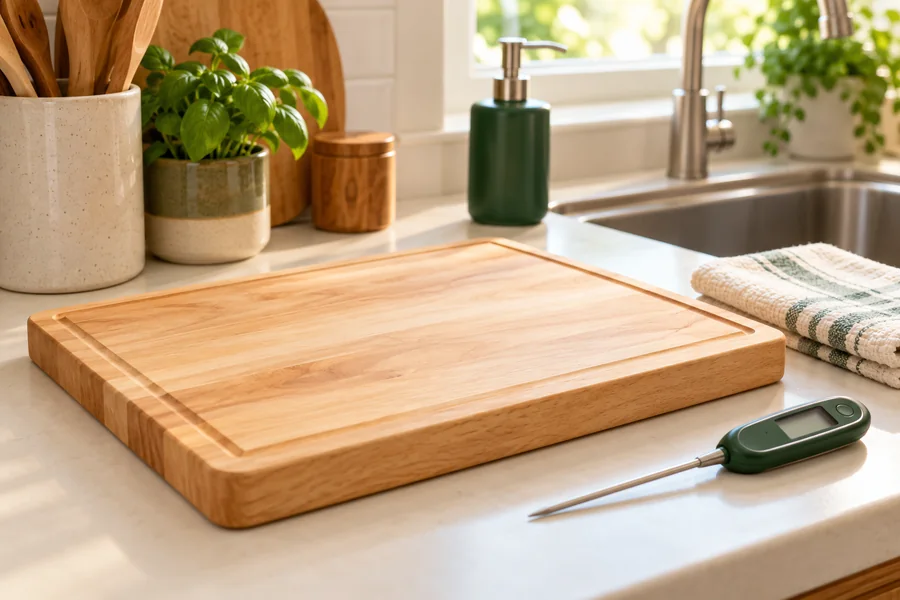
Identify four everyday food-safety controls and prepare a workspace that keeps ready-to-eat food separate from raw-food hazards.

Turn a recipe into a practical preparation plan, with ingredients organized in the order you need them.

Safely make simple slices, dice and a mince while keeping the board, food and hands under control.
Take charge of heat and flavorLearn what to notice, then use those cues in a simple vegetable exercise.3 complete lessons

Taste safely, make one small seasoning adjustment at a time and describe the difference.

Manage gentle pan heat, recognize a need to adjust it and distinguish stainless-steel, cast-iron and nonstick care.

Cook mushrooms in an uncrowded pan, manage released moisture and recognize useful browning rather than burning.
Make dependable everyday staplesBuild a small set of methods you can repeat with different ingredients.3 complete lessons
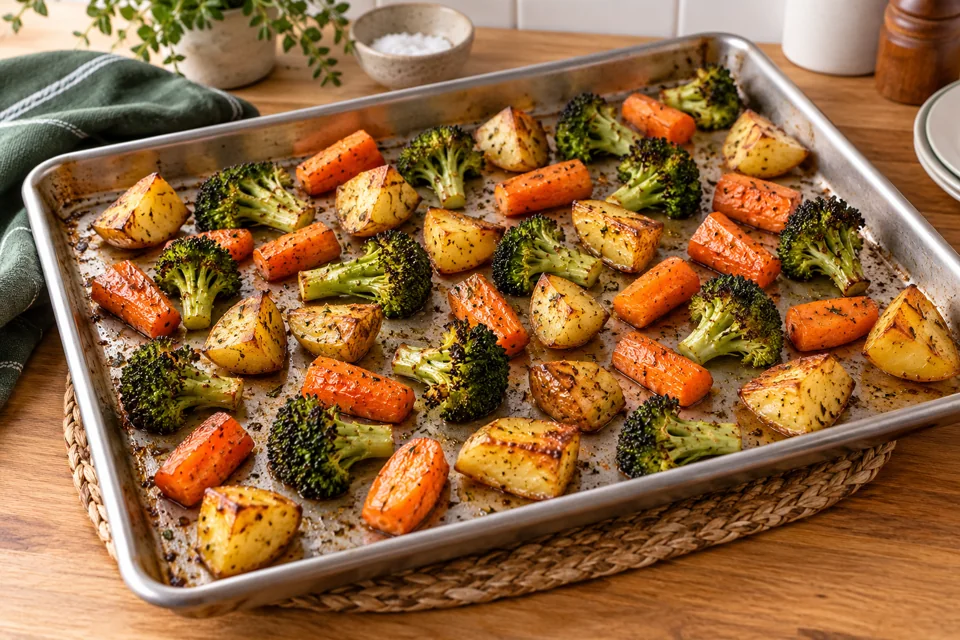
Use even pieces, enough tray space and doneness cues to produce tender vegetables with browned edges.

Recognize the difference and choose a method that suits the food.

Follow the appropriate method, check texture and coordinate serving time without treating all grains alike.
Turn staples into satisfying mealsPractice accessible proteins, including a complete plant-based route.3 complete lessons

Use a simple egg dish to practice heat adjustment and recognize texture changes.
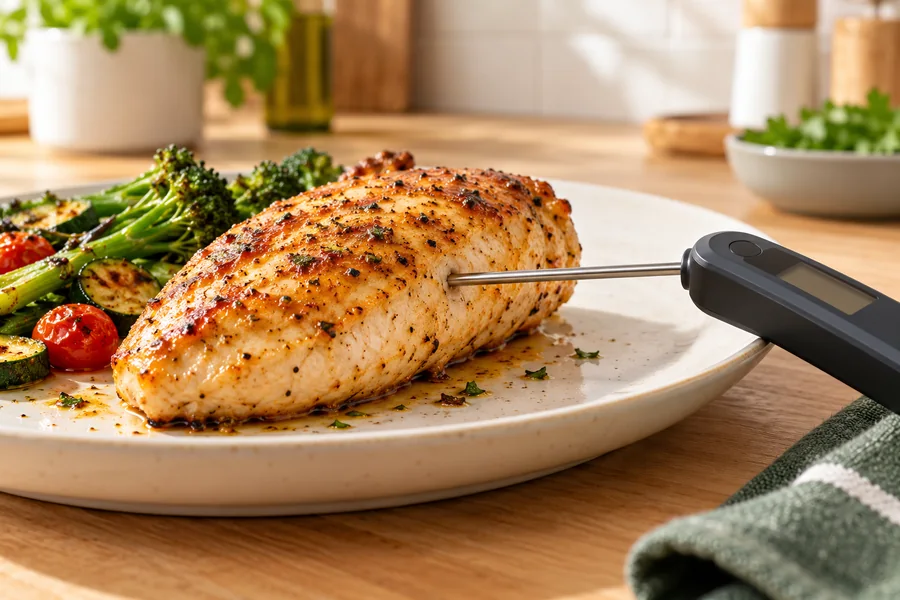
Use a reliable recipe and thermometer guidance rather than color alone; choose an appropriate practice option.
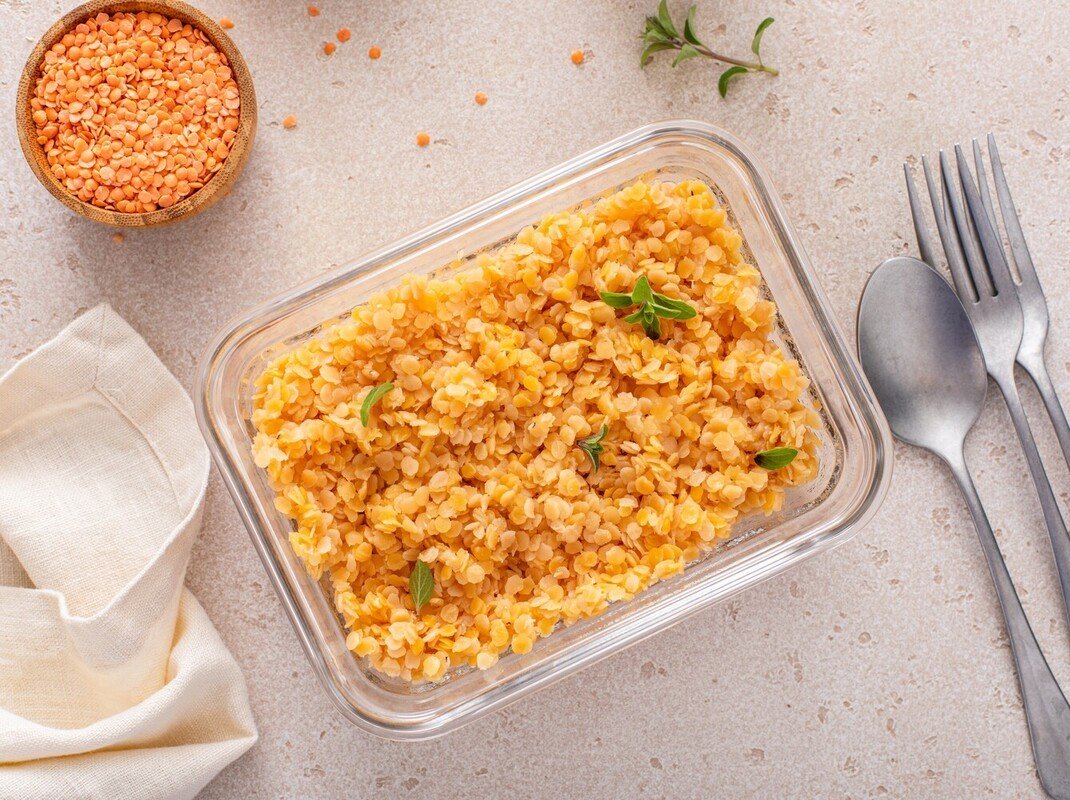
Choose a plant-based main, add vegetables and a starch, and bring the meal together with seasoning.
Bring dinner togetherAdd a finishing touch and learn to manage the parts of a meal.3 complete lessons

Turn browned mushroom fond into a balanced sauce, and recognize when a pan needs cleaning instead.

Write and use a practical cooking sequence so the meal comes together without rushing.
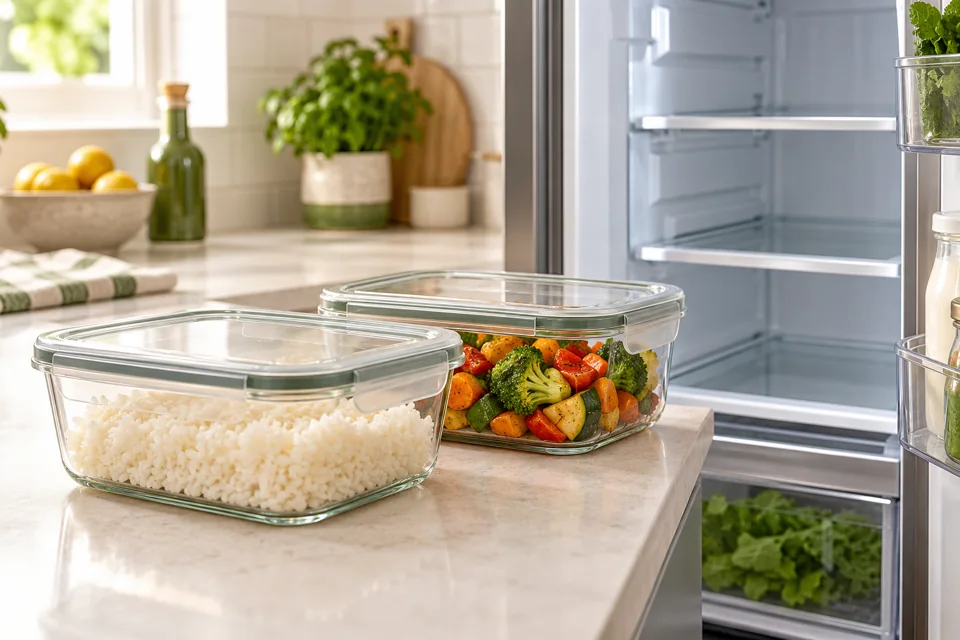
Pack, label, store and reheat a meal using time and temperature rather than guesswork.
Put your skills to workMake a plan, adapt thoughtfully and finish with a real meal.3 complete lessons
Choose one achievable meal and turn it into a checked shopping list and workable cooking plan.
Make one considered change to a flexible recipe and recognize changes that require a tested recipe instead.
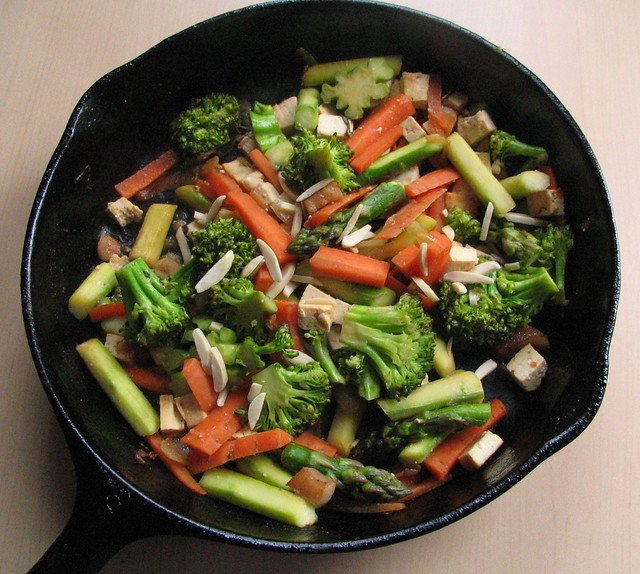
Plan, cook, serve and safely store one complete dinner, then identify the next skill to practice.
Your final challenge
Bring a complete dinner to the table
Plan and cook a main, vegetable and starch with a simple sauce or dressing. The final lesson gives you a practical plant-based route and an optional meat-based route, plus a timing plan and reflection.
See the complete-dinner challenge →
Completion records your own reading, self-check and practice reflections. It does not certify observed cooking or professional competence.
Begin with a safe foundation
Ready for your first kitchen win?
Start with “Cook safely from the start,” then gather your tools and ingredients in lesson 2. You can leave and return to your course progress on this browser.