Matcha Latte with Frothy Milk
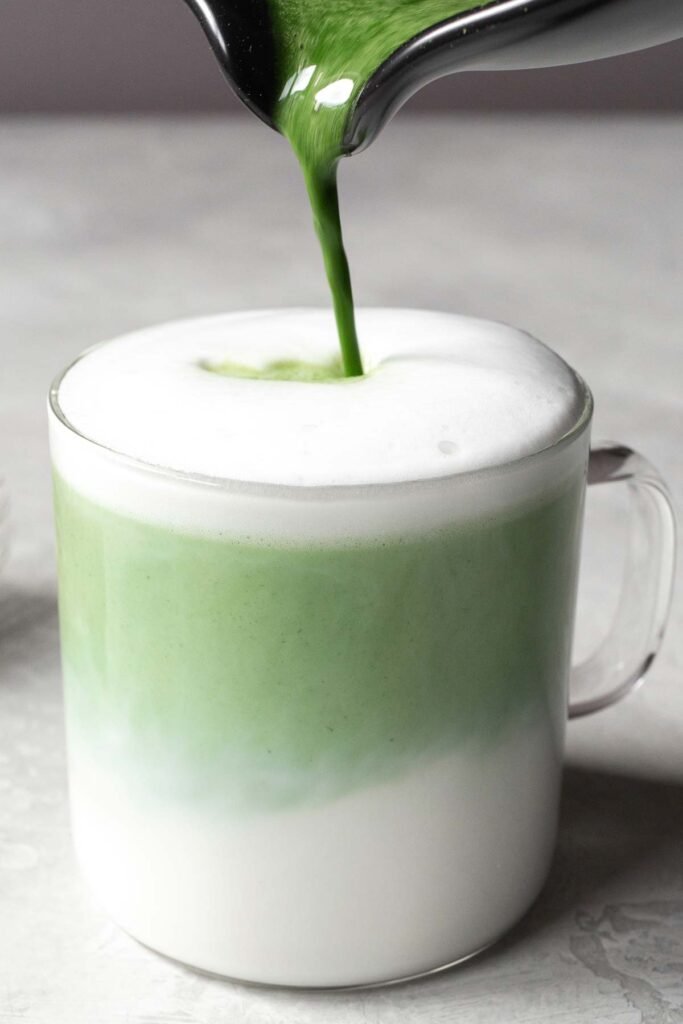
There’s something quietly special about a matcha latte: the vivid green color, the vegetal sweetness of finely ground tea, and the creamy texture of frothed milk. This recipe focuses on balance — preserving matcha’s delicate umami while building a smooth, frothy milk base that enhances flavor without overpowering it. It works because we bloom the matcha first to eliminate clumps and then incorporate carefully textured milk so every sip is silky and bright.
What sets this version apart is its flexibility. You can make it with a home espresso machine and steam wand for professional-level microfoam, or get equally satisfying results with a simple electric milk frother or a tightly sealed jar. The method below walks you through both approaches and offers simple swaps for dairy-free milks and sweeteners, so you can adapt the drink to your taste and equipment.
Choosing the Right Equipment
For the smoothest, creamiest latte, a coffee maker or espresso machine with a steam wand is the top choice — it heats and texturizes milk quickly, producing that velvety microfoam that clings to the matcha and creates beautiful layering. If you don’t have a steam wand, a handheld electric milk frother or an automatic milk frother will also work well.
If you’re shopping, consider an all-in-one espresso machine for drink consistency. Search popular options on Amazon here: espresso machines. For hands-on frothing without a full espresso setup, a powerful handheld frother is a budget-friendly alternative: milk frothers.
Two additional resources worth checking while you outfit your home beverage station are our guides to Best Matcha Whisks and Sets (if you prefer a traditional chasen) and Best Descalers for Coffee Machines to keep steam wands and boilers in peak condition.
For a traditional touch, consider a bamboo whisk (chasen) to blend ceremonial matcha. You can preview options here: matcha whisks. A small investment in the right tools will pay off in texture and flavor.
Why This Method Works
We bloom the matcha in a small amount of hot water before adding milk; this releases the flavor and avoids gritty pockets. Next, heating and texturizing the milk properly (to about 60-65°C / 140-150°F) develops natural sweetness and creates the tiny bubbles that give the latte a creamy mouthfeel. Combining the two right before serving preserves the tea’s vibrancy and produces an attractive layered cup.
Tips and Variations
1. Use ceremonial-grade matcha for the smoothest, least bitter flavor — culinary-grade matcha works in a pinch but will be more astringent.
2. If steaming with an espresso machine, purge the steam wand before and after use to avoid water dilution and to keep the wand clean; regularly descale your machine using the products recommended in our descaler guide.
3. For dairy-free lattes, oat milk and barista-style almond milks tend to froth best and give a creamy texture; shake alternative milks well before heating for more consistent foam.
4. Flavor variations: add a drop of vanilla extract, a teaspoon of maple syrup, or a pinch of cinnamon for a seasonal twist. For iced matcha lattes, double the matcha concentration and shake with cold milk and ice.
Serving Suggestions
Serve matcha lattes immediately for the best texture. Garnish with a light dusting of matcha powder for presentation or a few drops of vanilla syrup. If you like latte art, practice pouring steamed milk slowly into the center of the bowl or cup to create simple shapes.
Whether you’re making a quick morning pick-me-up or a mindful afternoon ritual, this matcha latte method balances accessibility and café-quality technique so you can enjoy a consistently delicious cup at home.