Homemade Chai Tea Latte
A chai tea latte is the perfect balance of warming spices, robust black tea, and creamy milk. This homemade version brings the fragrant spice blend front and center by simmering whole spices with water to release their essential oils before adding tea and milk. The result is richer and more complex than instant mixes, and you control sweetness, spice level, and milk choice.
What makes this recipe special is the simple process — a short simmer, a quick steep, and a frothing finish — that yields a beverage that tastes like it came from a neighborhood cafe. Using an espresso machine with a steam wand or a handheld milk frother gives the latte its silky texture and microfoam, while a stovetop steep extracts maximum flavor from whole spices. Whether you prefer classic masala chai flavors or want a lightly sweetened version with oat milk, this method adapts easily.
Why this method works
Simmering whole spices in water first unlocks their aromatic oils — cardamom, cinnamon, cloves, and fresh ginger really sing when given a few minutes to infuse. Adding tea to the spiced water rather than steeping tea alone lets the tannins and flavor marry with the spice base, producing a chai that tastes layered instead of flat. Finishing with steamed or frothed milk softens the edges and gives the latte the silky mouthfeel you expect from a coffeehouse drink.
Choosing the right equipment
An espresso machine with a steam wand is the quickest route to a café-style chai latte because it both heats and textures milk to silky microfoam. If you don’t have an espresso setup, a small saucepan and a handheld milk frother or electric milk steamer will do the job just as well. For everyday convenience, a high-quality milk frother can be a great investment; look for one with a powerful motor and dishwasher-safe parts.
Recommended tools:
- Espresso machine with a steam wand (for fast milk steaming and consistent microfoam).
- Handheld or electric milk frother (great if you don’t have a steam wand).
- Small saucepan for simmering spices and tea.
Maintaining your coffee and espresso gear keeps your drinks tasting their best. If you use an espresso machine regularly, check a guide on descaling and maintenance — keeping your machine free of mineral buildup ensures consistent steam pressure and better-tasting milk. For storage of your coffee and tea ingredients, an airtight container helps preserve freshness; see our recommendations on the Best Coffee Storage Containers page. For machine care specifically, our Best Descalers for Coffee Machines guide is a great resource.
Serving and finishing
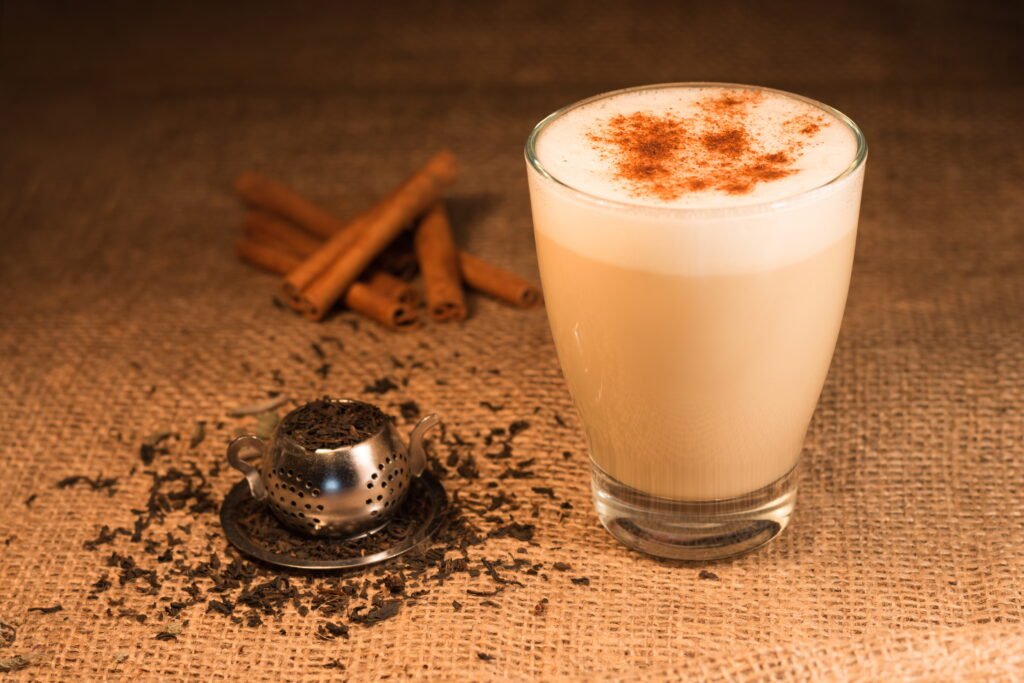
Once brewed and combined with frothed milk, pour your chai latte into warmed mugs and finish with a light dusting of ground cinnamon or a gently smashed green cardamom pod for aromatic flair. If you like a bolder tea flavor, use a robust Assam or Ceylon black tea; for a smoother profile, Darjeeling or a breakfast blend works beautifully.
Tips and variations
1. For a vegan chai latte, substitute oat, almond, or soy milk. Oat milk tends to froth best and gives a naturally creamy mouthfeel.
2. Make a concentrated chai base and refrigerate it for up to 3 days; when ready to drink, reheat and combine with freshly steamed milk for quick lattes.
3. Adjust the sweetener to taste — brown sugar, maple syrup, or honey each add different flavor notes; add them while the chai is hot so they dissolve fully.
4. Spice it up: increase the fresh ginger or add a pinch of black pepper for a warming kick, or tone down the cinnamon for a lighter, more tea-forward cup.
If you’d like more specialized tools for whisking matcha-style drinks or creating froth, browse our Best Matcha Whisks and Sets guide for ideas on accessories that also work for delicate latte finishes.
Enjoy this chai latte hot for a cozy morning or afternoon treat, or let it cool and serve over ice for a refreshing iced chai. With a little practice you can adapt the spice mix and milk texture to exactly how you like it — and achieve wonderful, coffeehouse-quality results at home.