Pork Lo Mein with Vegetables
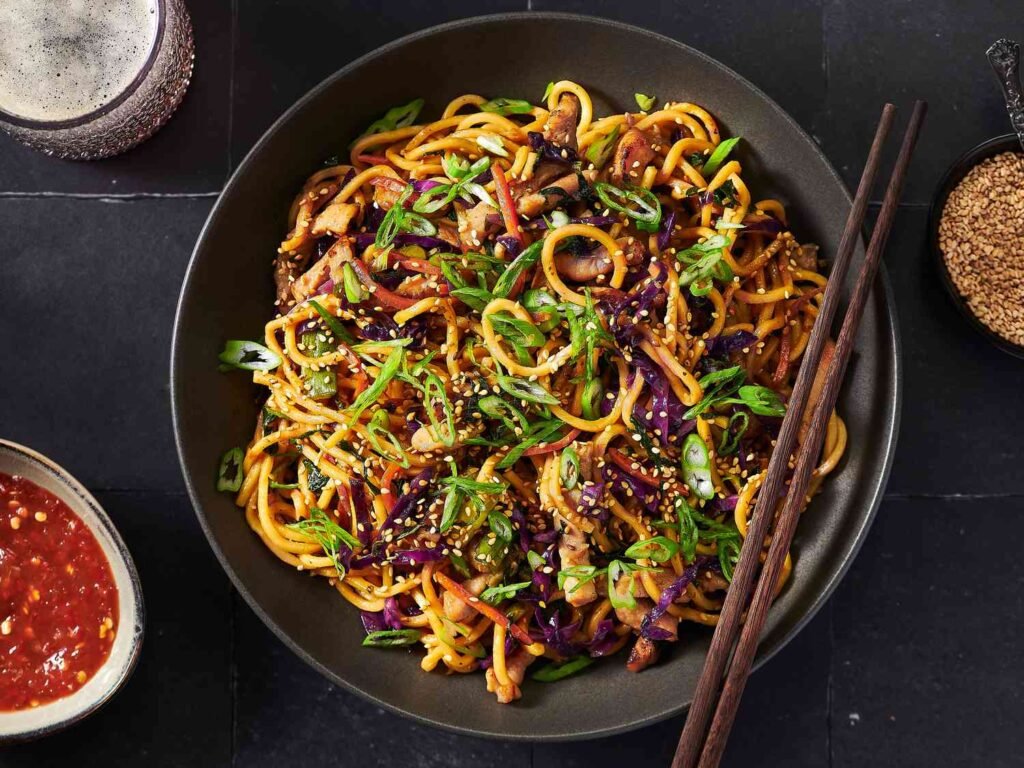
This Pork Lo Mein is the kind of home-cooked meal that hits all the right notes: tender pork, chewy noodles, brightly cooked vegetables, and a glossy, savory sauce that ties everything together. It’s fast enough for weeknights but flavorful enough to serve when friends or family drop by. The technique is simple—marinate the pork, cook the noodles, high-heat stir-fry—and the result is deeply satisfying comfort food with an Asian-inspired profile.
What makes this version special is its balance of textures and the flexibility to adapt to what’s in your fridge. Use snow peas, carrots, and bok choy for a classic mix, or swap in bell peppers and broccoli if you prefer. A short marinade and quick sear keep the pork juicy while a hot pan gives the vegetables that desirable char without overcooking. If you want a lighter finish, choose a nonstick pan; if you want a better fond and more caramelization, a stainless steel pan will deliver.
Why this recipe works
Lo mein is all about timing and heat. The noodles are boiled just until tender, the pork is thinly sliced and quickly seared, and the vegetables are cooked hot and fast so they keep their color and crunch. The sauce is concentrated—soy sauce, oyster sauce, a touch of sugar and sesame oil—so a little goes a long way to glaze the noodles and coat every ingredient evenly.
Because everything cooks quickly, organization is key. Have your sauce mixed, noodles drained, and vegetables prepped before you heat the pan. Once a hot pan is ready, everything comes together in a matter of minutes.
Choosing the right equipment
The featured tool for this recipe is a good stainless steel or nonstick pan. A heavy-bottomed stainless steel pan gives better searing and fond for flavor, while a high-quality nonstick pan lets you stir-fry with less oil and easier cleanup—great if you cook for kids or prefer lower-fat methods. If you’re deciding between premium options, check our comparison for long-term investment picks. For health-conscious cooks who want PFAS-free options, our guide to the Best Non-Toxic Cookware: PFAS-Free Pans is a helpful resource.
Here are a couple of handy product picks you can use for this recipe:
- Stainless steel frying pan on Amazon — ideal for high-heat searing and developing fond.
- Nonstick skillet on Amazon — great for lower-oil stir-frying and easy cleanup.
- 8-inch chef’s knife on Amazon — a sharp chef’s knife makes quick work of slicing pork and vegetables.
Technique notes
Two small technique points make a big difference: cutting and heat control. Cut the pork thinly across the grain; thin slices cook fast and stay tender. When you stir-fry, preheat your pan well—add oil only when it’s shimmering—so ingredients sizzle on contact rather than steam. Work quickly and in batches if needed so the pan temperature doesn’t drop and your food browns instead of stewing.
Pairings and serving ideas
Pork Lo Mein is a full meal on its own, but you can elevate it with simple sides: a light cucumber salad, steamed dumplings, or hot and sour soup. Garnish with toasted sesame seeds and sliced green onions for freshness and crunch. For a spicier version, add a drizzle of chili crisp or a teaspoon of sambal oelek to the sauce.
Why cookware choice matters
If you’re curious about whether to invest in premium cookware, our HexClad vs All-Clad guide covers the pros and cons of popular higher-end systems—useful reading if you’re ready to upgrade from a basic pan. For everyday home cooks, a well-made stainless steel or PFAS-free nonstick pan will cover most needs and last for years with proper care.
Tips and variations
Below are practical tips to get the best out of this Pork Lo Mein recipe and a few easy variations to try.
- Tip: Don’t overcrowd the pan when searing pork—work in batches so each piece gets a chance to brown.
- Tip: If you prefer a saucier lo mein, double the sauce and add it gradually at the end while tossing to coat.
- Variation: Swap pork for chicken, tofu, or shrimp—adjust cooking times accordingly.
- Variation: Use whole-wheat or gluten-free noodles to make the dish more nutritious or to accommodate dietary needs.
Final thoughts
Pork Lo Mein is a versatile, fast, and forgiving recipe that rewards a well-heated pan and sharp knife. Whether you’re making it for a busy weeknight or a casual dinner, the combination of tender pork, crisp vegetables, and glossy noodles is universally appealing. Keep a couple of pantry staples (soy, oyster sauce, sesame oil) on hand and you’ll be able to whip this up with minimal fuss.
Ready to cook? Scroll down to the ingredients list and step-by-step instructions to get started.