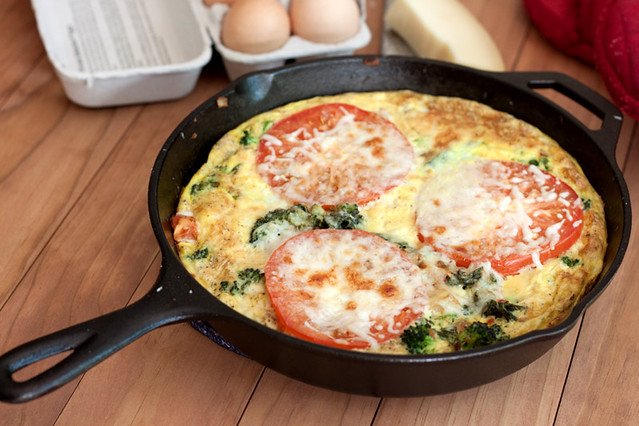
Cast Iron Frittata with Vegetables

A versatile, weekend-friendly cast iron frittata loaded with seasonal vegetables and melty cheese — perfect for brunch, lunch, or a quick weeknight dinner. Learn how to make a reliably golden frittata every time, plus tips for equipment, variations, and storage.

15 min Prep Time
25 min Cook Time
40 min Total Time
6 Servings
Easy Difficulty

Ingredients

Servings:
6
Nutrition (per serving)
Calories 290 kcal
Protein 18g
Fat 20g
Carbohydrates 8g
Fiber 2g
💾 Storage

Refrigerate leftovers in an airtight container for up to 3 days. Reheat individual slices in a 350°F oven for 8–10 minutes or in a microwave for 45–60 seconds. Frittata can be frozen for up to 2 months—wrap slices tightly in plastic and foil; thaw overnight in the refrigerator before reheating. Avoid storing in a cast iron skillet long-term to prevent flavor transfer.

🍳

Best Made With: Cast Iron Skillet

Choose a 10–12 inch oven-safe cast iron skillet with a comfortable handle and a smooth seasoned surface for best results.

See Our Top Cast Iron Skillet Picks →

Cast Iron Frittata with Vegetables

This cast iron frittata is a dependable, flexible dish that transforms simple vegetables and eggs into a show-stopping meal. What makes it special is the way a hot cast iron skillet creates a beautifully browned base while the oven (or broiler) gently finishes the top for a tender interior and slightly crisp edge. The result is somewhere between an omelette and a crustless quiche — easy to slice and share.

It’s an ideal recipe for busy home cooks because it tolerates substitutions: swap in whatever vegetables are in season, use leftover cooked potatoes or roasted squash, and choose your favorite cheese. The technique is the same, and the cast iron skillet is the secret weapon for even heating and excellent oven-to-table presentation.

Why this recipe works

The key factors that make a frittata successful are hot, dry heat at the pan surface and gentle, even heat to set the eggs without drying them out. A preheated cast iron skillet delivers both — it sears the vegetables, evaporates excess moisture, and holds heat when you transfer to the oven. Finishing under the broiler gives the top a golden, slightly puffed finish in minutes.

Using sturdy tools also simplifies cleanup and improves results. Cast iron is forgiving and long-lasting; if you’re exploring other premium pans, our guide comparing HexClad and All-Clad can help you decide when a different pan makes sense. For cooks prioritizing health and coatings, check our guide to the best non-toxic cookware for PFAS-free options.

Choosing the right equipment

For this frittata you want a 10- to 12-inch oven-safe skillet. A seasoned cast iron skillet gives you superb heat retention and a naturally nonstick surface when well maintained. If you don’t own one yet, this is a great time to invest — a good cast iron will last decades. Shop a range of popular cast iron skillets here: cast iron skillet on Amazon.

Other useful tools: a sharp chef’s knife for quick vegetable prep (chef’s knife on Amazon) and a silicone spatula for folding and serving (silicone spatula on Amazon). If you’re comparing broader cookware investments, our HexClad vs All-Clad guide can help you weigh performance and price.

Serving suggestions

Serve the frittata warm or at room temperature with a crisp green salad, crusty bread or roasted potatoes. A dollop of herby yogurt or quick chimichurri brightens the dish. Because it slices cleanly once rested, the frittata is perfect for make-ahead brunches and picnic-style meals.

Tips and variations

1. Use a mix of textures: sauté firmer vegetables (peppers, onions, potatoes) first, then fold in tender greens at the end.
2. Keep the eggs tender: don’t overbake — remove when the center is just set; residual heat will finish the cooking.
3. Make it vegetarian or add protein: omit meat for a vegetarian frittata or add cooked bacon, chorizo, or thinly sliced sausage for more richness.
4. Try different cheeses: tangy feta, nutty Gruyère, or sharp cheddar all work; grate or crumble them so they melt quickly and evenly.

What to expect while cooking

Expect some puffing and gentle browning. The edges will pull slightly from the pan as the eggs set. After resting 5–10 minutes, the frittata firms and slices neatly. If you notice excessive liquid before adding eggs, cook the vegetables a little longer to evaporate moisture — this prevents a watery texture.

Final notes

This cast iron frittata is one of those dishes that rewards familiarity. Once you’ve made it a couple of times, you’ll know exactly how much sautéing your vegetables need, what egg-to-add-ins ratio you prefer, and how your own oven behaves at broiling temperature. Keep experimenting with herbs, cheeses, and seasonal produce — it’s an endlessly adaptable template for simple, satisfying meals.

For readers looking to expand their cookware collection, see our full guides on non-toxic pans and premium sets to find the best long-term additions to your kitchen.
Instructions

1

Preheat oven and prepare skillet

Preheat your oven to 375°F (190°C). Place a 10- to 12-inch cast iron skillet on the stove and let it heat briefly. This ensures even cooking when you add the vegetables and eggs later.

💡 Pro tip: A well-preheated skillet helps evaporate moisture from vegetables quickly, preventing a soggy frittata.
2

Sauté aromatics and firmer vegetables

Warm the olive oil in the skillet over medium heat. Add the sliced onion and diced red pepper, and cook until softened and slightly caramelized, about 6–8 minutes. Add mushrooms and cook until their moisture has mostly evaporated.

💡 Pro tip: Cook firmer vegetables longer to remove excess liquid — this keeps the frittata from becoming watery.
3

Add tender greens and garlic

Stir in the spinach (or kale) and minced garlic, cooking just until the greens wilt. If using cherry tomatoes, add them now and cook 1–2 minutes to warm. Season the vegetables with half the salt, pepper, and the thyme.

💡 Pro tip: If using kale, cook it a minute or two longer to soften the leaves before adding eggs.
4

Whisk eggs and cheese

In a mixing bowl, whisk together the eggs, milk, remaining salt and pepper. Stir in about three-quarters of the shredded cheese (save the rest for topping). If adding cooked bacon or potatoes, fold them into the egg mixture.

💡 Pro tip: Whisk until the mixture is just combined; overbeating can make the frittata tough.
5

Combine and cook on stovetop

Reduce heat to medium-low. Pour the egg and cheese mixture evenly over the sautéed vegetables in the skillet. Gently stir once to distribute ingredients, then let the frittata cook undisturbed for 4–6 minutes until the edges begin to set but the center is still loose.

💡 Pro tip: Use a spatula to lift the edges slightly so uncooked egg flows underneath for even cooking.
6

Finish in the oven and brown the top

Sprinkle the reserved cheese over the top. Transfer the skillet to the preheated oven and bake for 8–12 minutes at 375°F until the center is nearly set. For a golden top, switch to the broiler for 1–2 minutes, watching closely so it doesn’t burn.

💡 Pro tip: If your broiler is very hot, keep the skillet on a lower oven rack and broil briefly to avoid over-browning.
7

Rest and serve

Remove the skillet from the oven and let the frittata rest for 5–10 minutes before slicing. Garnish with fresh herbs or a sprinkle of flaky sea salt, then slice into wedges and serve warm or at room temperature.

💡 Pro tip: Resting helps the frittata finish setting and makes for cleaner slices.

More to Cook

You Might Also Like

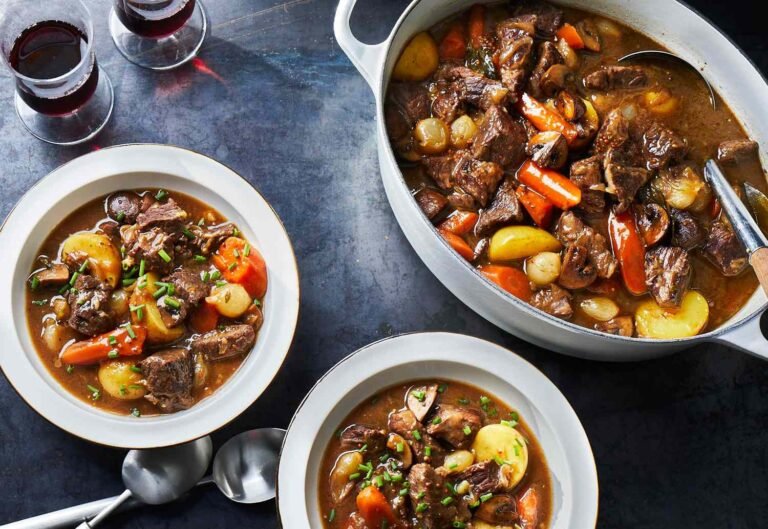
Hearty Beef and Vegetable Stew

A comforting, slow-braised beef and vegetable stew perfect for weeknights or weekend gatherings — rich, savory, and easy to make in a Dutch oven or slow cooker. This recipe focuses on deep flavor from browning, aromatics, and long, gentle simmering.

View Recipe →

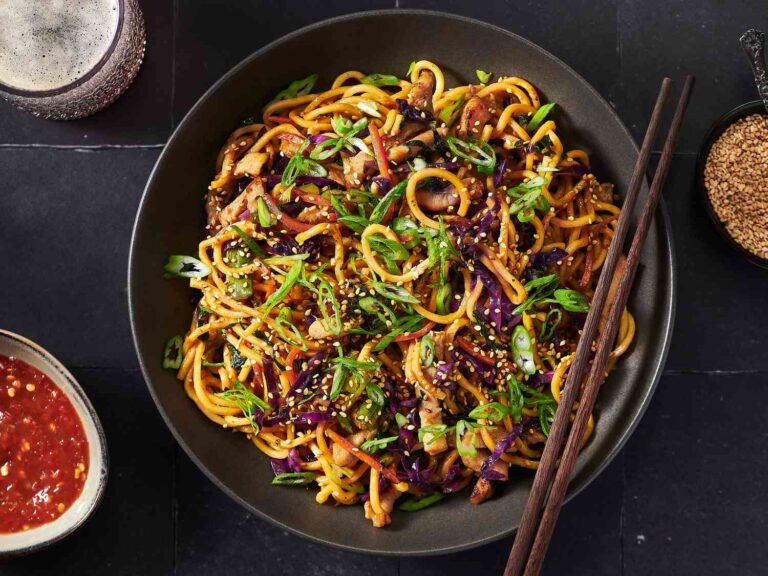
Pork Lo Mein with Vegetables

A quick, weekday-friendly Pork Lo Mein loaded with crisp vegetables, savory sauce, and tender slices of pork—ready in under 40 minutes. This stovetop favorite uses a stainless steel or nonstick pan for perfect sear and easy stir-frying.

View Recipe →

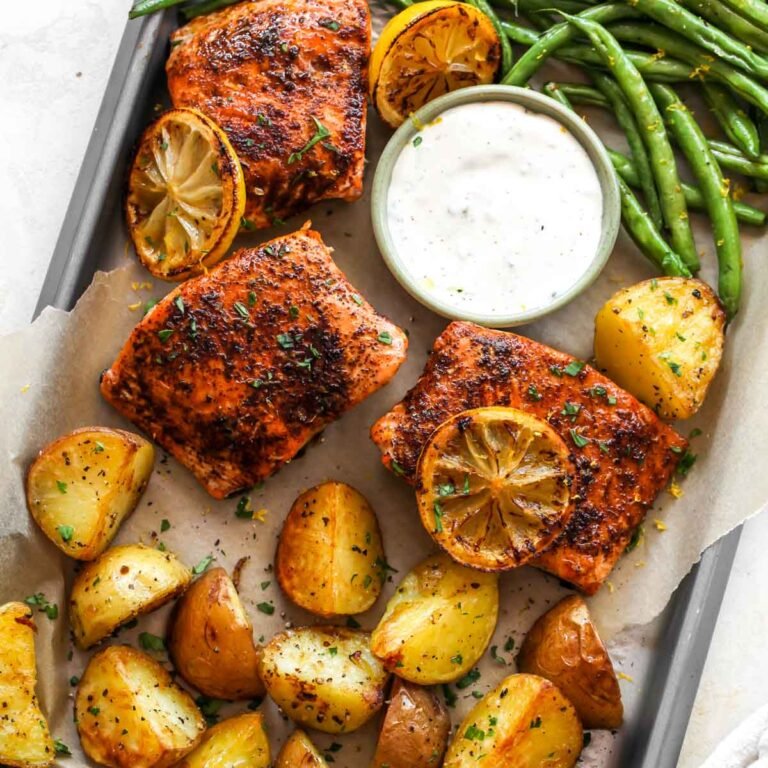
Toaster Oven Sheet Pan Salmon

A fast, flavorful sheet-pan salmon recipe tailored for toaster ovens and air-fryer toaster combos—perfect for weeknights. Crispy-tipped, tender-centered salmon with simple pantry seasonings and one-pan cleanup.

View Recipe →

Stay in the loop

Get the Best Kitchen Picks Delivered

New buying guides, honest reviews, and kitchen-tested recipes — straight to your inbox. No spam, ever.