Kung Pao Chicken
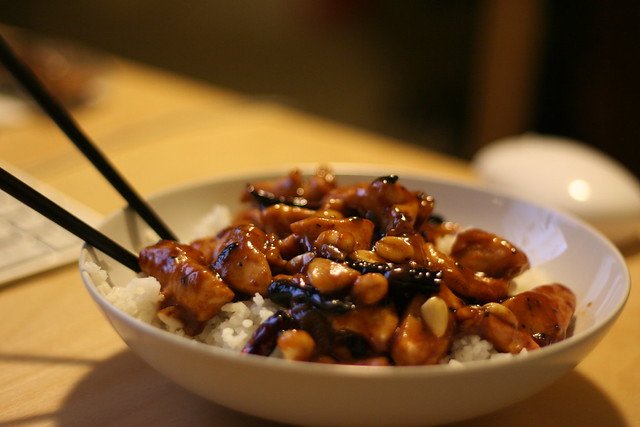
Kung Pao Chicken is one of those dishes that tastes restaurant-refined yet is remarkably approachable at home. It balances savory soy, tangy rice vinegar, a hint of sweetness, and a numbing-spicy kick from Sichuan peppercorns and dried chiles. The key to its success is high-heat, quick cooking that seals in juices and keeps vegetables crisp — exactly the kind of dish a good stainless steel or nonstick pan can deliver.
What makes this version special is the focus on technique: a brief marinade with cornstarch to keep the chicken moist, a glossy sauce that clings to the meat, and a proper sear so you get those little caramelized edges everyone loves. You’ll also find options for swapping nut and heat levels, and clear tips for choosing the best pan and tools so your stir-fry comes out perfectly every time.
Why this recipe works
This Kung Pao Chicken is structured around three building blocks: flavor, texture, and heat control. The flavor comes from a balanced sauce of soy, vinegar, and sugar with an optional splash of Shaoxing wine; texture comes from a quick cornstarch marinade and a hot pan that creates a caramelized exterior while keeping the interior tender; heat control is handled by preheating and managing burner intensity — essential for stir-fries.
We also emphasize timing and mise en place: have sauce, aromatics, nuts, and aromatics ready before you heat the pan. The entire cooking stage takes only minutes, so preparation is half the battle. With a reliable pan and the right technique you’ll replicate that restaurant-worthy texture and flavor at home.
Choosing the right equipment
For Kung Pao Chicken you want a wide, heavy-bottomed stainless steel skillet or a high-quality nonstick pan so ingredients have room to move and heat evenly. A stainless steel pan gives superior browning and fond, while a PFAS-free nonstick pan makes cleanup a breeze and requires less oil. If you’re deciding between premium cookware lines, our HexClad vs All-Clad comparison is a helpful resource, and you can read about safer coatings in our Best Non-Toxic Cookware guide.
You don’t need a wok to make an excellent stir-fry: a 10–12 inch stainless steel skillet or nonstick saute pan works perfectly. If you want to shop quickly, here are a few useful items:
- Stainless steel skillet — great for browning and fond development.
- Chef’s knife — essential for even, quick cutting.
- Heat-resistant spatula — handy for tossing and scraping fond.
How to approach the stir-fry
Start by prepping everything: cube the chicken, mix the marinade and sauce, and measure aromatics. Stir-frying is fast, so once the pan is hot, steps happen in quick succession. Use high heat for searing the chicken and medium-high for finishing the sauce so it thickens but doesn’t burn.
If you’re using a stainless steel pan, preheat it thoroughly before adding oil to prevent sticking; if you choose a nonstick pan, keep the heat a little lower and avoid overheating the coating. For notes on nonstick safety and alternatives, see our PFAS-free cookware guide.
Serving suggestions
Serve Kung Pao Chicken immediately over steamed jasmine or brown rice. It also pairs well with simple sides like stir-fried bok choy, a cucumber salad, or scallion pancakes. Leftovers make a great lunch; reheat gently on the stovetop to preserve texture.
Tips and variations
- Use boneless, skinless thighs for juicier results; breasts work if you prefer leaner meat. Cut pieces uniformly for even cooking.
- Toast the peanuts separately to ensure crunch — add them at the end to preserve texture.
- Adjust heat to taste: remove some or all of the seeds from dried chiles for milder heat, and increase Sichuan peppercorns for that characteristic numbing sensation.
- Make it vegetarian by substituting firm tofu (pressed and lightly fried) and using vegetable stock in the sauce.
Why use cornstarch and why marinate briefly?
A quick cornstarch coating on the chicken creates a protective layer that locks in juices and helps the sauce cling to each bite. The marinade should be short — 15–30 minutes is enough — so the chicken firms slightly but doesn’t develop an off texture from prolonged exposure to acidic ingredients.
Common mistakes and how to avoid them
- Overcrowding the pan: work in batches so pieces sear instead of steam.
- Crowding with too many vegetables: add firm vegetables early and softer ones later to keep crispness contrasts.
- Starting with a cold pan: always preheat to ensure a proper sear.
Final thoughts
Kung Pao Chicken is a satisfying blend of bold flavors and textures. With the right pan and a bit of attention to prep and heat management, you can make a dish that outshines takeout. Whether you prefer the searing power of a stainless steel skillet or the convenience of a nonstick pan, this recipe is flexible and forgiving once you understand the technique.
For deeper dives into cookware choices, check out our guides on HexClad vs All-Clad and Best Non-Toxic Cookware to help you pick a pan you’ll love for stir-fries and beyond.